

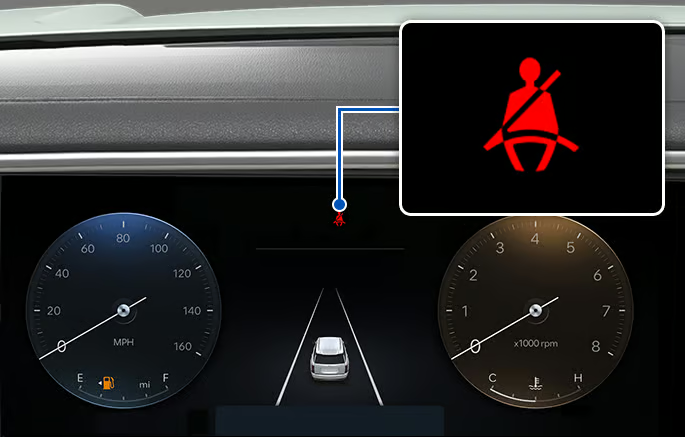
Dashboard warning lights are your Hyundai’s way of getting your attention before a small issue becomes a major repair. Some lights are simply reminders, while others signal a condition that needs immediate action. If you drive a Hyundai in Columbia, SC, understanding what these symbols mean can help you respond quickly, protect your vehicle, and stay safer on the road.
Modern Hyundai models use a mix of red, yellow, green, white, and blue symbols across the instrument cluster. In general, red warning lights point to conditions that may require you to stop driving as soon as it is safe. Yellow or amber lights usually mean the vehicle needs attention soon, but not always an immediate stop. Green, white, and blue lights are usually status indicators, meaning a system is on or functioning. Still, the exact wording and appearance can vary by model year, trim, and powertrain, so your owner’s manual should always be your final reference.
Why Hyundai Warning Lights Matter
It is easy to ignore a warning light when the vehicle still feels normal, but that can be costly. A low oil pressure light, for example, can appear before severe engine damage occurs. A charging-system light can mean the battery is not being recharged properly. A brake or ABS warning may indicate reduced braking assistance. Even when a light does not require you to stop immediately, it still means the vehicle has detected something that should be checked.
One of the best habits you can develop is paying attention to when the light appears, whether it flashes or stays on, and whether there are any related messages on the screen. Some Hyundai models will also pair a warning light with a chime or a message in the instrument cluster, giving you a clearer explanation of the issue.
Understanding Warning Light Colors
Red: Stop as soon as it is safe. Red lights are often tied to safety-critical or damage-related issues such as oil pressure, brake system concerns, overheating, or charging faults.
Yellow or Amber: Have the vehicle checked soon. These often include the check engine light, ABS light, tire pressure warning, master warning light, or steering-related alerts.
Green, White, or Blue: These usually indicate that a system is active, such as cruise control, high beams, auto hold, or a drive-assist function. They are generally informational, not failure warnings.
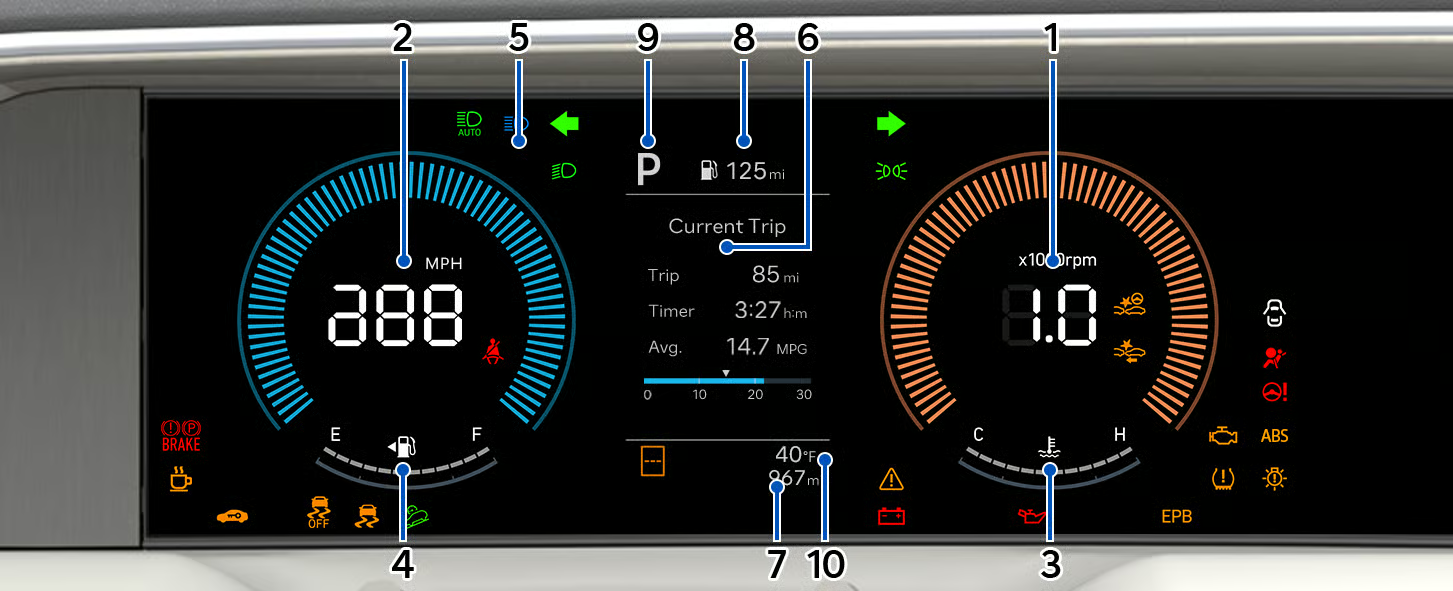
Common Hyundai Warning Lights and What They Mean
Check Engine Light
The check engine light is one of the most common warnings drivers see. On Hyundai vehicles, this light can indicate an issue with the emissions system, engine management, or powertrain controls. Sometimes the cause is minor, such as a loose gas cap. Other times it may point to a misfire, sensor issue, fuel-system problem, or catalytic converter concern.
If the check engine light is steady, you can often continue driving carefully, but you should schedule diagnosis soon. If it is flashing, that is more serious and can indicate a misfire severe enough to damage the catalytic converter. In that case, reduce speed, avoid hard acceleration, and have the vehicle inspected as soon as possible.
Engine Oil Pressure Warning Light
This is one of the most urgent warning lights on any Hyundai. It means oil pressure has dropped below the level the engine needs for proper lubrication. Continuing to drive with low oil pressure can lead to rapid engine damage.
If this light appears, pull over safely and shut the engine off. Check the oil level if you can do so safely and on level ground. Even if the oil level looks acceptable, the problem could still involve an oil pump, blocked passage, or sensor fault. Do not assume the light is harmless.
Charging System Warning Light
This light usually looks like a battery symbol, but it does not necessarily mean the 12-volt battery itself has failed. In most cases, it means the vehicle is not charging properly while running. Possible causes include a failing alternator, wiring fault, belt issue, or battery connection problem.
If the charging light comes on, electrical systems may begin shutting down as battery voltage drops. Headlights can dim, warning messages can multiply, and the vehicle may eventually stall. Have the vehicle inspected quickly.
Brake Warning Light
The brake warning light can indicate several different issues, depending on the model. It may simply mean the parking brake is engaged, but it can also point to low brake fluid or a fault in the braking system. If the light stays on after the parking brake is released, do not ignore it.
If the brake warning light appears together with the ABS light, Hyundai notes that the braking system may not be functioning normally. In that situation, avoid high-speed driving and abrupt braking, and arrange service as soon as possible.
ABS Warning Light
The ABS warning light means there is a malfunction in the anti-lock braking system. In many cases, the regular hydraulic braking system still works, but anti-lock assistance may not. That means the vehicle can still brake, but emergency braking performance and control on slippery roads may be reduced.
If the ABS light stays on, drive carefully and plan a service visit soon. If it appears with the red brake warning light, treat the issue as more urgent.
Low Tire Pressure Warning Light
This symbol usually looks like a horseshoe-shaped tire with an exclamation point in the center. It means one or more tires are significantly underinflated. Underinflated tires can reduce fuel efficiency, increase tire wear, hurt handling, and raise the risk of a blowout.
Check all four tires and inflate them to the pressure listed on the driver’s door jamb, not the pressure listed on the tire sidewall. If the light blinks for a period and then stays on, that can also indicate a TPMS malfunction rather than just low air pressure.
Airbag Warning Light
The airbag warning light relates to the Supplemental Restraint System, often called SRS. If this light stays on after startup, the vehicle may have a fault in the airbags, crash sensors, seat-belt pretensioners, or related electronics.
This does not necessarily mean the airbags will deploy unexpectedly, but it can mean they may not work as intended in a crash. Because this is a safety system, it should be diagnosed promptly.
Electronic Stability Control and Traction Control Lights
Hyundai vehicles may show an ESC light or a slipping-car icon. If the light flashes, the system is actively helping the vehicle maintain traction. If it stays on, there may be a fault in the system or the driver may have turned part of the system off.
A flashing light during a slippery start or hard turn can be normal. A steady light that remains on should be checked, especially if the vehicle feels less stable or traction control no longer intervenes.
Power Steering or MDPS Warning Light
Hyundai commonly uses an MDPS warning for the motor-driven power steering system. If this light stays on, steering effort may increase or feel inconsistent. The vehicle may still be drivable, but it can require more effort to steer, especially at low speeds.
If you notice heavier steering along with this warning, reduce speed and schedule inspection soon.
Engine Coolant Temperature Warning
If your Hyundai displays an overheating warning or temperature symbol, the engine may be running too hot. Common causes include low coolant, a failing thermostat, a bad water pump, or a cooling fan problem.
If the engine is overheating, pull over safely and shut the vehicle off. Do not open the radiator cap while the engine is hot. Overheating can cause severe engine damage if ignored.
Master Warning Light
Many newer Hyundai models use a master warning light as a general alert. This light often appears when another system has a message for you in the instrument cluster. Hyundai notes that the master warning light may be triggered by issues involving collision-avoidance systems, blocked radars, smart cruise control, lane-following features, low washer fluid, or TPMS-related faults, depending on the vehicle.
When this light comes on, read the accompanying message instead of guessing. The warning may be minor, or it may point to a safety system that needs attention.
Low Fuel Warning Light
This one is simple but still important. The low fuel light means the tank is nearing empty. Refill soon rather than trying to stretch the remaining fuel range. Running too low on fuel repeatedly can increase wear on fuel-system components over time.
Additional Hyundai Warning Lights on Hybrid Models
Hybrid Hyundai vehicles can display many of the same warning lights as gasoline models, but they also introduce hybrid-specific alerts. One of the most common is the service warning light, which Hyundai uses to indicate a problem with the hybrid vehicle control system or hardware. If this light remains illuminated, the hybrid system should be inspected.
Some hybrid models also use a READY indicator. This one is not a malfunction by itself. It tells you the hybrid vehicle is on and ready to drive, even if the gasoline engine is not running. Because hybrids can move silently on battery power, the READY light is especially important. If the READY indicator blinks along with a warning message, however, Hyundai manuals note that it can be associated with a hybrid-system problem that should be addressed.
On some hybrids, you may also see cluster messages such as Check Hybrid System or Stop safely and check Hybrid system. Those are more serious than a basic informational light and should not be ignored. If the vehicle warns you to stop safely, do exactly that and arrange service.
Additional Warning Lights on Hyundai EV Models
All-electric Hyundai vehicles add several high-voltage and charging-related indicators that traditional gas vehicles do not use. One important example is the EV warning light. Hyundai says this can illuminate when there is a problem with the electric vehicle control system or related components. If it stays on while driving or does not go out after startup, the vehicle should be inspected.
Another EV-specific alert is the Power Down indicator light. Hyundai uses this to show that vehicle power is being limited to protect high-voltage components. This can happen if the high-voltage battery state of charge is very low or if the battery temperature is too high or too low. In other words, the vehicle may reduce available performance to protect itself.
You may also see a charging connector indicator light or a charging-related message on EVs and plug-in hybrids. This often indicates the connection status of the charging cable. If charging does not begin correctly, Hyundai recommends checking the instrument cluster message, charger status, and cable connection.
EV drivers should pay close attention to battery state of charge, temperature-related messages, and any warnings tied to charging. These systems work differently from gasoline vehicles, so an EV warning should be treated based on the message shown, not just the icon alone.
When You Should Stop Driving Immediately
In general, stop driving as soon as it is safe if your Hyundai shows any of the following: oil pressure warning, overheating warning, brake warning with reduced braking feel, a severe charging-system problem, or a message instructing you to stop safely. A flashing check engine light also deserves immediate caution. When in doubt, it is safer to pull over, shut the vehicle off, and reassess than to risk severe damage.
What to Do When a Hyundai Warning Light Comes On
- Stay calm and note the color of the light.
- Check whether the light is steady or flashing.
- Read any message in the instrument cluster.
- Listen for changes in sound, braking, steering, or power delivery.
- If the warning is red or tied to safety, pull over safely.
- Consult your owner’s manual for your exact model.
- Schedule a professional diagnosis if the light remains on.
Many dashboard warnings are tied to sensors and control modules, so guessing rarely saves time or money. A proper scan and inspection is the fastest way to know whether the issue is minor, maintenance-related, or urgent.
Get Expert Hyundai Warning Light Diagnosis in Columbia, SC
If a dashboard light has come on in your Hyundai, it is best to have it checked before it turns into a larger repair. Our service team can inspect warning lights, scan for stored fault codes, and explain what your vehicle is telling you in clear terms. Whether you drive a gas Hyundai, a hybrid, a plug-in hybrid, or an all-electric Hyundai, getting the right diagnosis matters.
If you need help understanding a warning light on your Hyundai, contact Stivers Hyundai in Columbia, SC to schedule service and get peace of mind before your next drive.
Frequently Asked Questions
What does the Hyundai check engine light usually mean?
The Hyundai check engine light usually means the vehicle has detected a fault in the engine, emissions system, or powertrain controls. It can be caused by something minor like a loose gas cap or something more serious such as a misfire or sensor failure.
Is it safe to drive with a Hyundai oil pressure warning light on?
No. If the oil pressure warning light comes on, you should pull over safely and shut the engine off as soon as possible. Driving with low oil pressure can cause severe engine damage.
What does the Hyundai battery warning light mean?
The battery warning light usually means there is a problem with the charging system, not just the battery itself. Common causes include a failing alternator, loose battery connection, or related electrical issue.
Why is my Hyundai tire pressure light on after I added air?
Your Hyundai tire pressure light may stay on for a short time after inflation until the system updates. If it continues flashing or stays on after driving, there may be a TPMS sensor or system fault.
What is the Hyundai master warning light?
The Hyundai master warning light is a general alert that usually appears with a message in the instrument cluster. It can relate to low washer fluid, blocked safety sensors, TPMS issues, or a driver-assistance system fault.
What warning lights are different on Hyundai hybrid and electric vehicles?
Hyundai hybrid and electric vehicles can include additional lights such as the READY indicator, service warning light, EV warning light, power down indicator light, and charging connector indicator. These relate to hybrid control systems, high-voltage battery conditions, and charging status.
When should I stop driving if a warning light appears on my Hyundai?
You should stop driving as soon as it is safe if you see a red warning light related to oil pressure, overheating, brakes, charging, or a message that tells you to stop safely. A flashing check engine light also deserves immediate attention.
Images by OEM